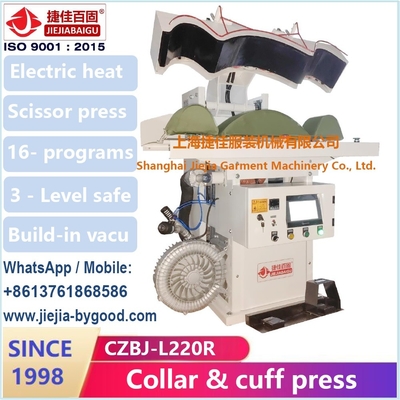
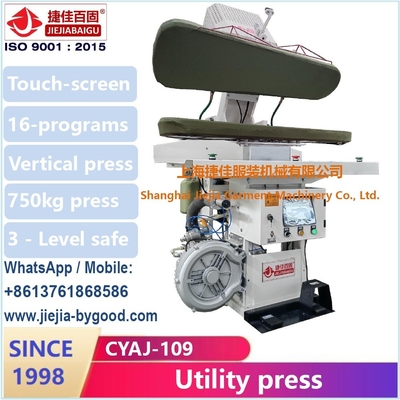
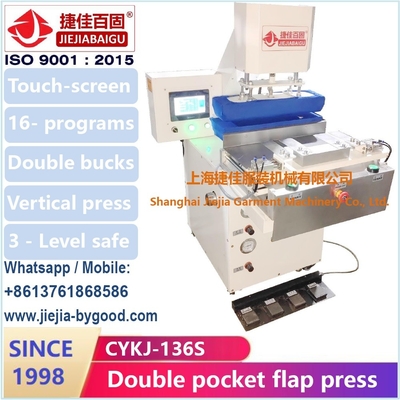
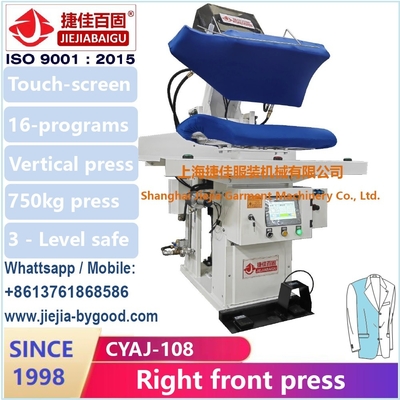
裁縫 業 の ため に 正しい スーツ プレッシング マシン を 選べる よう に: 買い手 の 実践 的 な ガイド
2026-10-12
.gtr-container-a7f3c9 {
font-family: Verdana, Helvetica, "Times New Roman", Arial, sans-serif;
font-size: 14px;
line-height: 1.6;
color: #1a1a2e;
max-width: 100%;
box-sizing: border-box;
padding: 0;
margin: 0;
}
.gtr-container-a7f3c9 *,
.gtr-container-a7f3c9 *::before,
.gtr-container-a7f3c9 *::after {
box-sizing: border-box;
}
.gtr-container-a7f3c9 p {
font-size: 14px;
line-height: 1.6;
text-align: left;
margin: 0 0 14px 0;
color: #2c2c3e;
}
.gtr-container-a7f3c9 .gtr-h2 {
font-size: 18px;
font-weight: bold;
color: #0000FF;
line-height: 1.4;
margin: 28px 0 12px 0;
padding: 0 0 8px 0;
border-bottom: 2px solid #d0d0ff;
letter-spacing: 0.2px;
}
.gtr-container-a7f3c9 .gtr-h2:first-child {
margin-top: 0;
}
.gtr-container-a7f3c9 img {
display: inline-block;
vertical-align: top;
margin: 4px 6px 4px 0;
border-radius: 6px;
}
.gtr-container-a7f3c9 .gtr-table-wrap {
overflow-x: auto;
margin: 18px 0;
border-radius: 8px;
box-shadow: 0 1px 4px rgba(0, 0, 255, 0.08);
}
.gtr-container-a7f3c9 table {
width: 100%;
border-collapse: collapse !important;
border-spacing: 0 !important;
border: 1px solid #c5c5f0 !important;
font-size: 14px !important;
background-color: #ffffff !important;
table-layout: auto;
}
.gtr-container-a7f3c9 table th {
background-color: #0000FF !important;
color: #ffffff !important;
font-size: 14px !important;
font-weight: bold !important;
text-align: left !important;
padding: 10px 12px !important;
border: 1px solid #0000cc !important;
line-height: 1.5 !important;
word-break: normal !important;
overflow-wrap: break-word !important;
}
.gtr-container-a7f3c9 table td {
background-color: #ffffff !important;
color: #2c2c3e !important;
font-size: 14px !important;
text-align: left !important;
padding: 10px 12px !important;
border: 1px solid #d8d8f5 !important;
line-height: 1.5 !important;
word-break: normal !important;
overflow-wrap: break-word !important;
}
.gtr-container-a7f3c9 table tbody tr:nth-child(even) td {
background-color: #f4f4ff !important;
}
.gtr-container-a7f3c9 table tbody tr:hover td {
background-color: #e8e8ff !important;
}
.gtr-container-a7f3c9 ul {
list-style: none !important;
margin: 14px 0;
padding: 0 0 0 20px;
}
.gtr-container-a7f3c9 ul li {
position: relative;
font-size: 14px;
line-height: 1.6;
text-align: left;
margin: 0 0 10px 0;
padding: 0 0 0 4px;
color: #2c2c3e;
}
.gtr-container-a7f3c9 ul li::before {
content: "•" !important;
position: absolute !important;
left: -16px !important;
color: #0000FF !important;
font-weight: bold;
font-size: 16px;
line-height: 1.6;
}
.gtr-container-a7f3c9 ul li strong {
color: #0000FF;
font-weight: bold;
}
.gtr-container-a7f3c9 .gtr-faq {
margin: 18px 0;
padding: 0;
}
.gtr-container-a7f3c9 .gtr-faq p {
margin: 0 0 12px 0;
padding: 12px 16px;
background-color: #f4f4ff;
border-left: 3px solid #0000FF;
border-radius: 0 6px 6px 0;
font-size: 14px;
line-height: 1.6;
text-align: left;
color: #2c2c3e;
}
.gtr-container-a7f3c9 .gtr-faq p:last-child {
margin-bottom: 0;
}
.gtr-container-a7f3c9 .gtr-faq p strong {
color: #0000FF;
font-weight: bold;
}
.gtr-container-a7f3c9 p strong {
color: #0000FF;
font-weight: bold;
}
@media (min-width: 768px) {
.gtr-container-a7f3c9 {
max-width: 860px;
margin: 0 auto;
padding: 8px 0;
}
.gtr-container-a7f3c9 .gtr-h2 {
font-size: 18px;
margin: 34px 0 14px 0;
}
.gtr-container-a7f3c9 p {
margin: 0 0 16px 0;
}
.gtr-container-a7f3c9 .gtr-faq p {
padding: 14px 20px;
}
.gtr-container-a7f3c9 table th,
.gtr-container-a7f3c9 table td {
padding: 12px 16px !important;
}
}
適切なスーツプレッシングマシンを選ぶことは 裁縫業者ができる 最も重要な機器の決定の一つです繊細な羊毛にダメージを与え エネルギーコストを膨らませます 適正なものは 日々の生産量を2倍にし 評判を守ることができますこのガイドでは,経験豊富な裁縫業者や服装仕上げ業者が購入する前に実際に考慮する実用的な要素を分解しています.
1生産量から始めましょう
機械の容量を他の何よりも前に 日々の生産量と合わせる. 過剰な購入は静かにエネルギーと保守予算を消費する.
日々の出力
推奨されるシステム
なぜそれが合うのか
10 服装
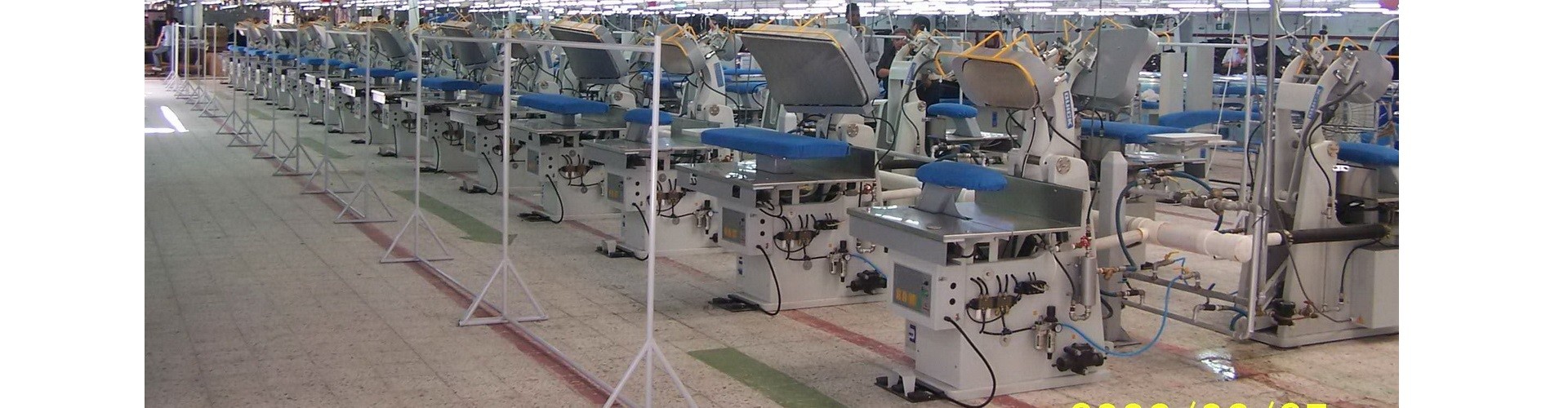
手動蒸気プレス+真空テーブル
安価で柔軟で低エネルギー消費
30~80 衣類
プロの真空テーブル + 独立したボイラー
蒸気回収が速く,品質が一貫している
80以上の服
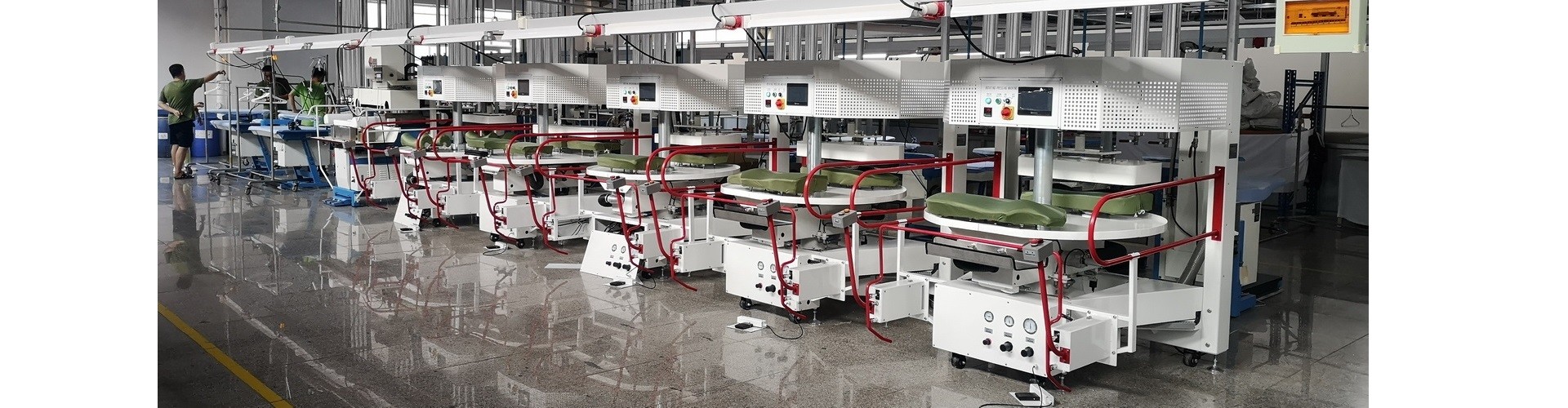
産業用回転式/ピボット式プレスライン
最大出力,最小停止時間
Q:私は1日10服以下を 磨いています.工業機械が必要ですか?A: ない.過剰購入 は,決して 使わ ない 容量 や エネルギー を 払う こと を 意味 し ます.高品質 の 真空 テーブル プレス は,低 容量 で 同じ 仕上げ 品質 を 提供 し,運用 費用 を 削減 し て い ます.
Q: 単一のジャケットを印刷するのにどれくらい時間がかかりますか?A: 蒸気回復と真空のマッチングでは,典型的には3〜6分です.一貫して10分以上を取ることは,通常操作者のスキル不足ではなく,圧力または真空の不一致を示します.
2熱と蒸気システムを 織物に合わせる
羊毛,綿,麻,合成物 は 熱 と 湿気 に は 大きく 異なっ て 反応 し ます.調節 できる 蒸気 と 温度 制御 を 持っ て い ない 機械 は,繊細 な 織物 を 焼いて,重い 羊毛 を 平ら に する でしょ う.
内蔵ボイラー:熱が早く床スペースを節約する 理想的な1日50服以下
独立ボイラー:連続負荷下でのより速い復元により,より大きな容量になります.
バキュームシステム:湿気を取り出して 折りたたみを固定して 醜い輝きを防ぐのです
温度調節器と蒸気調節器:カシミール,シルクミックス,その他の繊細品には不可欠です
Q: 組み込みボイラーが別々のボイラーよりも良いですか?A:内蔵ボイラーでは,より速く熱し,スペースを節約できますが,別々のボイラーでは,継続的な使用で,より早く回復します.これは1日約60着以上の投資に相当します.
Q: 綿のスーツと綿のシャツの両方を 1台の機械で処理できますか?A: はい,温度 と 蒸気 の 設定 を 調整 できる 条件 で ある.固定 温度 の プレス は 焼け た 傷 や グラス の 痕跡 の 主要 な 原因 です.
3圧力,真空,テーブルサイズ
プレッシングエリア全体で一貫した圧力は,趣味のグレードのユニットからプロ機器を分離します.バーの圧力評価についてサプライヤーに尋ね,真空モーターの空気流を確認してください.電力だけではありません.
Q:重い羊毛にはどのくらいの圧力が要りますか?A: 構造 的 な 羊毛 の ジャケット の 場合,鉄筋 表面 に およそ 5 〜 7 バー の 圧力を 維持 する プレス を 求め て ください.圧力が 少ない と し て くるみ が 留まり,過剰 に し た 圧力は 織物 の 自然 な 手 を 平ら に する.
Q: ジャケットだけ押せば テーブルサイズが重要ですか?答: そう です.サイズ が 小さすぎる テーブル は 繰り返し 位置 変更 を 強制 し て 遅らせ,平ら な 仕上げ 線 を 作り出さ ます.決定 する 前 に 最大 の 服 を 測っ て ください.
4制御,安全,エルゴノミクス
現代の機械には自動シャットダウン,過熱防止,脚ペダル制御が加えられています.これらは贅沢品ではありません.操作者の疲労を軽減し,火傷を予防し,職場保険リスクを低減します.
Q: 自動安全機能は追加費用に値するのでしょうか?自動シャットダウンと熱切断は 燃焼と高額な熱装置の燃焼を防ぎます
Q: どんなエゴノミック機能をチェックすべきですか?A: テーブルの高さは調整可能で,足のペダルはよく緩められ,蒸気レバーは届くことができます.エルゴノミックは日常生産量とスタッフの保持に直接影響します.
5費用,収益率,販売後サポート
購入価格は,この方程式の一部に過ぎません.所有コストを計算します.エネルギー使用,水処理,スペアパーツ,ダウンタイム.日 に 20 分 の 節約 を する 機械 は,数 か月 の 間 に 自分 の 費用 を 払い戻せる.
Q: どんな保証を期待できますか?A: 評判の良いサプライヤーは,あなたの地域における主要部品とストックスペアパーツに12~24ヶ月を提供しています. 地元で部品を供給できないディーラーは,隠された長期的コストです.
Q: 購入前にサプライヤーをどのように確認しますか?A: リアルな顧客参照,工場のビデオ,そして自分の布のテストプレスを要求します.正直なサプライヤーはこれを歓迎します.それは両側を保護します.
6設置,訓練,コンプライアンス
発送前に電圧,相,ボイラー認証の要件を確認してください.施設内やビデオ設置のサポートや操作者の訓練を依頼します 2時間のセッションは,通常,数ヶ月間費用がかかるエラーを防ぐことができます.
Q: 特別な電線が必要ですか?A: 工業用プレスには通常,380Vの三相電源が必要になります. 注文する前に,工場の供給を確認し,製造者に確認してください.
Q: 操縦士の訓練は本当に必要ですか?答: そう です.蒸気 の 正確 な タイミング と 真空 の 順序 は,仕上げ の 質 を 直接 決定 し ます.訓練 さ れ た 作業 者 は,欠陥 の ある 機械 より 衣服 を より 多く 傷つけ ます.
結論: 推測 ではなく データ に 基づき 判断 する
適切なスーツプレッシングマシンを選択する際には 容量,繊維の種類,圧力,そして実際のビジネスに 対応するサポートを優先してください迅速な販売後のサービスと 備品の利用可能性 服プレッシングマシンが10年間の投資であるため一回限りの買い物じゃない
続きを読む


 メッセージは20〜3,000文字にする必要があります。